Introduction to Mapping Lisbon
Traveling in a city as vibrant and historic as Lisbon necessitates a reliable means of navigating its diverse neighborhoods and attractions. Maps serve as essential tools for visitors seeking to explore the cobblestone streets, ornate architecture, and lively cultural corners that Lisbon has to offer. This enchanting city, known for its stunning viewpoints and rich history, presents numerous landmarks such as the Belém Tower and the Jerónimos Monastery, which can be more accessible when one is equipped with a good map.

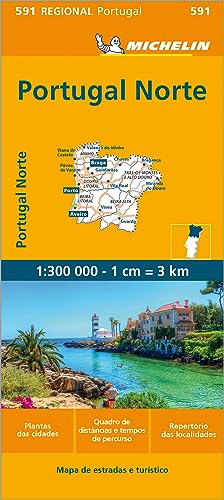
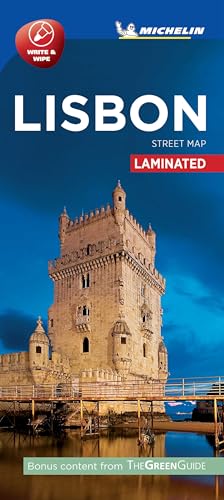
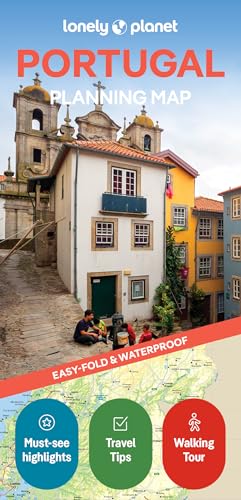
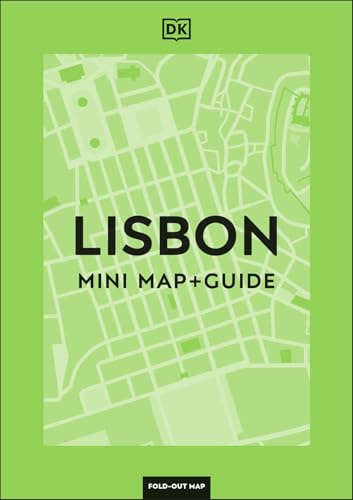
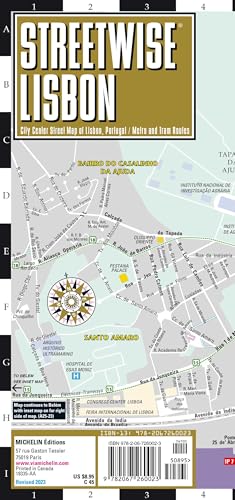
The availability of free maps enhances the exploration experience significantly, allowing travelers to plan their routes effectively without incurring additional costs. These maps often highlight not only the major tourist attractions but also lesser-known sites that provide deeper insights into the local culture. Having such resources helps visitors make informed decisions about their travel itineraries, ensuring that they do not miss out on hidden gems nestled within the bustling urban landscape.
Moreover, navigating Lisbon’s topography, characterized by its hills and winding alleys, can be challenging without a structured guide. Free maps assist in understanding the geographical layout, offering practical routes for walking tours that connect various points of interest efficiently. They also often include public transport information, which is crucial for visitors aiming to make the most of their time in the city while minimizing backtracking.
In summary, free maps serve as invaluable companions for travelers in Lisbon, enhancing their visit through improved navigation and facilitating a deeper connection with the city’s history and cultural significance. They not only guide the way but also open up a world of exploration that might otherwise remain undiscovered.
Types of Free Maps Available
In Lisbon, visitors can access a variety of free maps that cater to different needs and preferences, ensuring everyone can navigate the city with ease. One of the most common types is the physical map, which can be obtained at tourist information centers scattered throughout the city. These maps are often designed with tourists in mind, highlighting major attractions, landmarks, and routes. They serve as a convenient reference for those desiring a tactile experience while exploring the streets of Lisbon.
Another essential tool for navigating the city is the public transportation map. Lisbon boasts an extensive metro, bus, and tram network. Free maps of these systems are frequently available at stations, providing users with a clear understanding of transit routes, schedules, and connections. These transportation maps are invaluable for tourists who rely on public transport to explore the city efficiently.
In addition to physical maps, online interactive maps provide another layer of usability. Several websites and tourism platforms offer interactive maps that allow users to zoom in and out, search for specific locations, and even view real-time updates of events happening around the city. These online maps are particularly beneficial for tech-savvy travelers who prefer to plan their itineraries digitally before venturing out.
Furthermore, with the rise of mobile technology, there are numerous mobile applications available that offer free maps of Lisbon and its attractions. Many of these apps feature GPS functionality, which helps users pinpoint their current location and navigate efficiently. They may also include additional features such as tourist guides, restaurant recommendations, and local events, thus enriching the overall travel experience.
Locations to Obtain Free Maps in Lisbon
Visitors traveling to Lisbon will find numerous convenient avenues to obtain free maps that can enhance their exploration of this vibrant city. One of the most reliable sources is the various tourist information offices scattered throughout Lisbon. These offices are typically located near major attractions and provide a wealth of information, including detailed maps that outline key landmarks, dining options, and public transportation routes.
In addition to tourist information offices, many hotels in Lisbon also offer complimentary maps to their guests. This can be particularly beneficial for travelers seeking personalized recommendations from hotel staff who are often familiar with local hotspots and attractions. Inquire at the front desk upon check-in to discover if a complimentary map is available.
Public libraries in Lisbon can also serve as a valuable resource for those looking for free maps. Many libraries have resources dedicated to tourists, including maps that highlight cultural sites, parks, and educational institutions. Furthermore, transit stations, such as those managed by the Lisbon Metro, can provide maps showcasing their extensive public transport network, vital for navigating the city efficiently.
Local stores, especially those catering to tourists, may have free maps available. These can be found in gift shops or even bookstores, where various guides and local products are sold. They can offer an excellent alternative, often featuring areas that are not included in mainstream maps.
For technology enthusiasts, downloadable maps via mobile apps or websites are also an excellent choice. Many travel apps offer interactive maps that can be saved for offline use, ensuring that travelers have access to their itineraries without requiring a continuous internet connection. By leveraging these resources, tourists can easily make the most of their experience in Lisbon.
Practical Tips for Using Maps While Exploring Lisbon
When embarking on a journey through the vibrant city of Lisbon, effective navigation is essential to ensure you make the most of your exploration. Here are some practical tips for utilizing maps effectively during your travels.
First, familiarize yourself with the map’s features. Whether you are using a physical map or a digital version on your mobile device, understanding the legends, street names, and symbols used can greatly enhance your navigation skills. Look for key landmarks, public transport routes, and different neighborhoods to get a comprehensive view of your surroundings.
Next, planning your routes ahead of time is crucial. Lisbon is a city known for its hills and narrow streets, which can sometimes make travel more challenging. Before setting out, spend some time identifying the places you wish to visit and charting a course that minimizes unnecessary detours. Consider grouping attractions that are close together, allowing for a more convenient and enjoyable exploration experience.
Combining physical maps with mobile navigation apps can provide a balanced approach. While digital maps offer real-time updates and directions, having a physical map as a backup is advisable in areas with limited internet connectivity. This dual strategy can enhance your adaptability, especially in unexpected situations.
Finally, always stay aware of your surroundings. While focusing on your map, it’s easy to overlook important sights, local culture, and street life. By practicing a blend of map reading and active observation, you can enrich your exploration of Lisbon, turning navigating into an integral part of your overall travel experience.