When navigating a bustling metropolis like Madrid, the significance of having a reliable map cannot be overstated. The city’s intricate layout, with its maze of streets, neighborhoods, and significant landmarks, can pose a challenge for both tourists and locals alike. A well-structured map serves as an essential tool, guiding explorers through the diverse offerings of the capital of Spain.
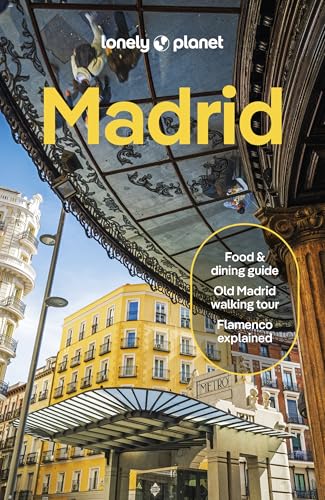
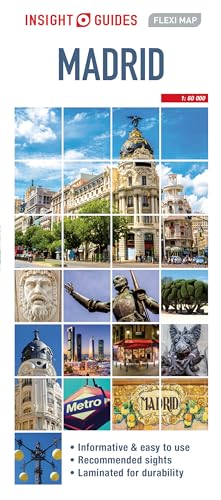

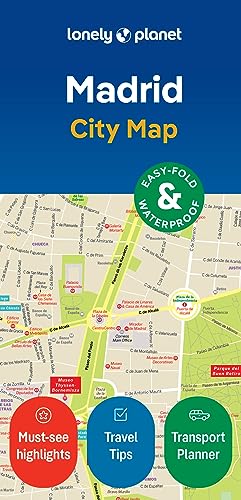
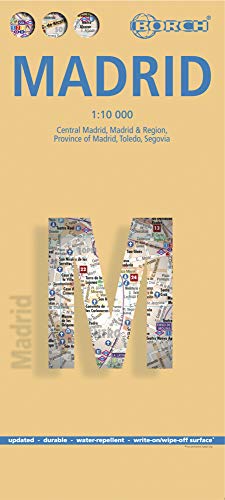

Maps play a crucial role in enhancing the overall experience when exploring Madrid. They not only assist travelers in pinpointing the locations of famous sites, such as the Royal Palace and Plaza Mayor, but they also facilitate the discovery of lesser-known but equally enchanting spots, including quaint cafés and local cultural experiences. By referring to a physical map, visitors can more easily orient themselves and get a clearer understanding of the layout, allowing for a more immersive adventure.
One of the primary benefits of using a tangible map lies in the ability to see a larger area at a glance, which can be particularly useful in a sprawling city. Unlike digital navigation tools that can sometimes feel overwhelming due to constant updates and technological distractions, a physical map provides a straightforward reference that enhances situational awareness. Moreover, it fosters a more genuine engagement with the surroundings, encouraging tourists to interact with their environment rather than merely relying on their devices.
While digital maps are undoubtedly convenient, they can lead to a dependence on technology that detracts from the enjoyment of exploring a new place. A physical map allows for a more tactile experience, encouraging users to unfold the paper, trace their routes with their fingers, and refine their understanding of the geography of Madrid. Consequently, maps are not just navigation tools but essential companions that elevate the mindful exploration of this vibrant city.
Where to Find Free Maps of Madrid
Finding free maps of Madrid is essential for exploring this vibrant city without spending too much. Visitors can easily navigate through the streets and discover notable landmarks by utilizing various sources for obtaining physical and digital maps.
One of the best options for tourists is to visit local tourist offices scattered throughout the city. These offices typically offer complimentary maps that include detailed information on major attractions, dining options, and public transportation routes. The Madrid Tourist Office, located at Plaza Mayor and other key locations, is a reliable starting point for picking up a well-designed physical map.
Additionally, local libraries often provide free maps to visitors, making them a unique source for those looking to gather resources beyond traditional tourist offices. The Biblioteca Nacional de España, for example, might have historical maps or current street maps that could enrich the exploration experience.
Hotels in Madrid also commonly stock free maps for their guests, which can be beneficial for travelers seeking immediate guidance upon arrival. It is advisable to inquire at the reception desk, as many establishments are more than willing to help visitors navigate the city’s many offerings.
For those who prefer a digital approach, there are several online resources and apps that allow users to download detailed maps of Madrid. Websites such as official city tourism websites provide up-to-date maps along with comprehensive information about events, attractions, and local services. Moreover, mobile applications like Google Maps and Citymapper facilitate seamless navigation throughout the city.
In summary, whether turning to tourist offices, local libraries, or hotels, visitors have an array of options for obtaining free maps of Madrid. By also exploring online resources, travelers can enhance their experience while easily navigating the city’s rich cultural landscape.
Types of Maps Available
When navigating the vibrant city of Madrid, various types of maps are accessible to cater to the needs and preferences of different tourists. Understanding these maps can greatly enhance the travel experience.
First and foremost, tourist maps are readily available and serve as essential tools for any visitor. These maps typically highlight major attractions, monuments, and essential services such as restaurants and hotels. Tourist maps allow users to quickly identify key areas of interest, thereby facilitating a more organized itinerary.
Transit maps are crucial for those looking to explore Madrid’s excellent public transport system. They outline the metro, bus, and train lines, helping visitors efficiently navigate the city without hassle. Many transit maps include information on schedules and connections, making them indispensable for travelers who prefer using public transportation.
For the more adventurous, walking maps offer detailed routes for exploring Madrid on foot. These maps often feature scenic paths that guide users through charming neighborhoods and less-congested areas. With walking maps, tourists can immerse themselves in the city’s culture, authentic ambiance, and local attractions that might not be highlighted on standard tourist maps.
Additionally, specialized maps focusing on themes such as art or food are available for those with specific interests. Art maps may guide tourists to galleries, museums, and public art installations, while food maps showcase traditional eateries and culinary experiences worth tasting. These specialized maps are tailored for those who wish to delve deeper into Madrid’s rich cultural and gastronomic offerings.
Overall, the diversity of available maps in Madrid empowers travelers to choose the ones that best align with their exploration styles, enhancing their journey through this dynamic city.
Tips for Using Maps Effectively in Madrid
When exploring Madrid, understanding how to effectively use maps is essential for an enriching experience. To start, familiarize yourself with the different types of maps available. Tourist maps often highlight key landmarks and attractions, whereas public transportation maps provide information on metro and bus routes, which are invaluable for navigating the city efficiently.
Once you have selected a suitable map, begin by identifying your current location and the points of interest nearby. Take a moment to orient the map with respect to your surroundings, ensuring you know which way is north. This foundational step will assist in understanding the layout of Madrid and how various neighborhoods connect.
Integrating traditional map navigation with GPS applications can enhance your exploration. While a physical map provides a comprehensive overview, GPS apps can offer real-time information regarding directions and estimated travel times. However, be mindful not to solely rely on technology; familiarizing yourself with the map’s visual representation can prevent over-dependence on digital devices.
Before embarking on your exploration, consider marking places of interest directly on the map. Utilizing highlighters or stickers can help you visualize your journey and ensure that you do not miss unique attractions. Planning your route in advance can save time and allow for a more seamless experience as you traverse through various districts, such as Malasaña or Retiro.
Additionally, consider downloading offline maps beforehand or acquiring a printed version at tourist information centers, to avoid any connectivity issues while navigating. Adequate preparations combined with effective map usage will ultimately enhance your exploration of Madrid, allowing you to focus on appreciating the city’s rich cultural offerings.