Introduction to Free Maps of Rome
When exploring a richly historic and vibrant city such as Rome, having access to reliable maps is critical for enhancing the travel experience. Maps serve as indispensable tools, guiding visitors through the maze of timeless landmarks, charming streets, and cultural treasures that permeate the city. For travelers, whether they are first-timers or seasoned explorers, understanding the variety of maps available can significantly improve their navigation and overall visit.
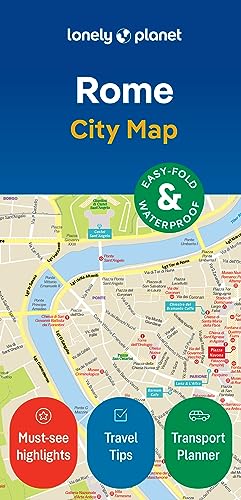
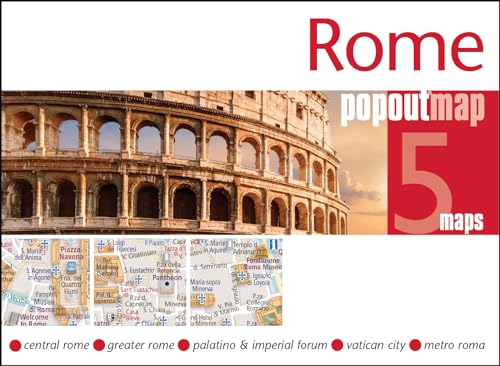
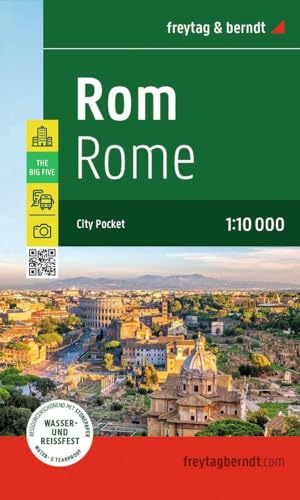
Free maps of Rome come in various forms, catering to different needs. Tourist maps are specifically designed to highlight the major attractions such as the Colosseum, Vatican City, and Trevi Fountain. These maps offer an overview of the city, helping visitors prioritize their itinerary. In contrast, more detailed street maps provide comprehensive layouts that assist with navigating less touristy areas, revealing hidden gems that one might not find in a guidebook.
The advantages of using free maps are plentiful. First and foremost, they offer a cost-effective solution for travelers who wish to explore without the burden of additional expenses. Additionally, free maps contribute to accessibility, as they can often be found at various tourist information points, online platforms, or within local hotels. Moreover, having a free map on hand can enhance a traveler’s confidence, allowing them to venture off the beaten path and immerse themselves in the local culture.
In summary, utilizing free maps of Rome not only facilitates navigation but also enriches the overall experience, ensuring that every traveler can make the most of their journey through this iconic city.
Digital Resources for Free Maps
When planning a trip to Rome, having access to accurate and reliable maps is essential for exploring this historic city. Luckily, there are numerous digital resources where travelers can find free downloadable maps of Rome. These resources include official tourism websites, travel blogs, and specialized map sites that offer a variety of printable or viewable options.
One of the primary sources for free maps is the official tourism website of the city of Rome, Turismo Roma. This site provides a plethora of resources, including high-quality maps that are regularly updated. Visitors can find city maps, tourist attraction maps, and even transportation maps, ensuring that they have everything they need to navigate the city effectively. Downloading maps from this site is straightforward, and many of the resources are available in multiple languages, catering to a diverse audience.
Additionally, various travel blogs often feature free maps as part of their travel resources. Websites such as TravelBlog offer downloadable maps created by fellow travelers. These maps may include personal insights, including favorite routes or lesser-known attractions, which can enhance the overall experience of navigating Rome.
Map-specific websites such as MapsofWorld also provide printable maps focused on Rome. These maps can be particularly helpful for tourists looking to plan their itinerary or understand the layout of the city in a broader context. Many of these platforms also offer interactive maps that allow users to zoom in on specific areas, making it easier to pinpoint locations of interest.
Overall, the abundance of digital resources for free maps of Rome ensures that travelers are well-equipped to explore the city with confidence. From official tourism sites to user-generated content, the variety of options available caters to all types of travelers and their specific needs when navigating this iconic destination.
Physical Sources for Free Maps in Rome
When visiting Rome, travelers can access numerous physical sources to obtain free maps, which are essential for navigating the city’s rich historical landscape. One of the most reliable places to start is at the various tourist information centers scattered throughout the city. Typically located near major attractions, these centers offer a wealth of resources, including detailed maps that highlight key points of interest, public transportation routes, and suggested walking tours. Visitors should not hesitate to ask staff for specific maps that cater to their interests, whether they seek art, history, or local cuisine.
Additionally, many hotels in Rome provide complimentary maps to their guests. Even if it is not prominently displayed, travelers can inquire at the reception desk for a city map upon check-in. Hotel staff are usually well-informed about the surrounding area and may also provide recommendations for local attractions or dining options.
Popular tourist attractions, such as the Colosseum or the Vatican Museums, often have their own information desks where free maps are distributed. These resources provide tailored navigational assistance to better explore these iconic sites. Local businesses, including cafes and restaurants, sometimes offer promotional material that includes map information, serving as a supplementary resource for travelers. When visiting these establishments, patrons can simply ask whether any maps or brochures are available.
In conclusion, travelers seeking free maps in Rome will find an array of sources that enhance their visit. Engaging with tourist information centers, hotels, attractions, and local businesses provides optimal opportunities to collect various navigational tools for an enriching experience in the Eternal City.
Exploring Rome, a city steeped in history and culture, necessitates effective navigation to fully enjoy its myriad attractions. Using maps—whether digital or paper—is an essential skill for any traveler wishing to enhance their experience. Here are some practical tips to maximize their utility while journeying through the Eternal City.
First, understand the layout of Rome by familiarizing yourself with a basic map of the city before embarking on your adventure. Explore key landmarks, neighborhoods, and major thoroughfares. This knowledge will help ground you spatially, making it easier to interpret map symbols and markings. Most maps highlight essential sites, public transportation routes, and walking paths, which facilitates planning your route between attractions.
When using digital maps, ensure that your device is charged and has a stable internet connection. Many mapping applications allow for real-time navigation, which can provide turn-by-turn directions as you walk. This feature is especially useful in a city like Rome, where attractions are often clustered closely together but require specific directions to navigate the winding streets. Additionally, many apps can update based on traffic conditions and offer alternative routes to avoid congested areas.
For those preferring traditional paper maps, consider highlighting or marking your planned route in advance. This can include circling key destinations and plotting effective pathways. Additionally, combining paper maps with mobile applications can give travelers the best of both worlds; use the paper map as a broad overview while referring to a mobile app for detailed navigational guidance in complex areas.
Ultimately, whether one opts for a digital mapping solution or a classic paper version, planning and understanding how to utilize these tools effectively can significantly enrich your exploration of Rome’s rich tapestry of history and culture.