The Importance of Maps for Navigating Paris
Lastly, keep an eye out for local landmarks and street signs, as they can significantly assist with navigation in unfamiliar zones. By using these tips, you can effectively utilize free maps of Paris and enjoy a richer exploration experience throughout the city.
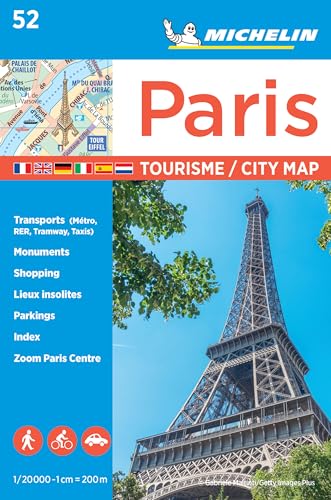

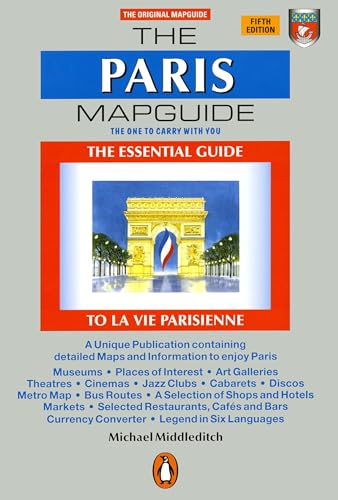
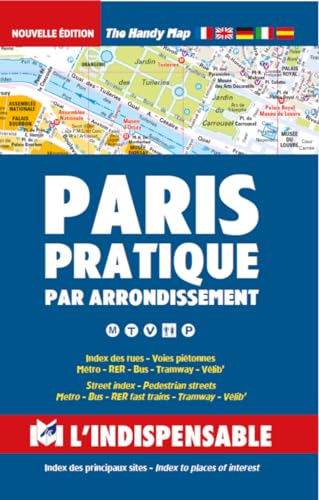
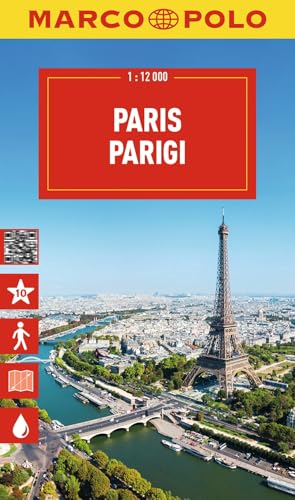

When exploring a city as sprawling and culturally rich as Paris, the role of maps becomes increasingly significant. Maps serve not only as tools for navigation but also enhance the overall travel experience, ensuring that visitors can efficiently locate and access various landmarks and attractions. A reliable map can make a considerable difference as tourists venture through the charming streets of this iconic city.
One of the primary advantages of using maps in Paris is their ability to simplify navigation. With a well-detailed map, visitors can easily chart their course to popular destinations such as the Eiffel Tower, the Louvre, or Montmartre. This reduces the stress of getting lost and helps to build confidence as travelers explore the city’s intricate roadways and public transportation systems. Furthermore, maps often highlight essential information, including subway and bus routes, making commuting straightforward and accessible.
In addition to aiding in navigation, maps allow tourists to uncover hidden gems that may not be part of standard guidebooks. While major attractions draw significant attention, Paris is filled with quaint shops, picturesque cafés, and quiet parks worth discovering. A map crafted to include lesser-known sites encourages a more profound interaction with the city, allowing visitors to create unique memories and experiences beyond the traditional tourist path.
Moreover, understanding the layout of Paris through maps provides crucial context about its neighborhoods and historical districts. This spatial awareness can transform a trip from a mere sightseeing expedition into an engaging adventure focused on learning about the city’s rich heritage. In conclusion, maps are invaluable tools that equip travelers with the knowledge and confidence necessary to explore the multifaceted beauty of Paris.
Types of Free Maps Available
When navigating the enchanting streets of Paris, travelers can benefit from various types of free maps that cater to different needs and preferences. The first category includes tourist maps, which are specifically designed for visitors aiming to explore the city’s famed landmarks and attractions. These maps typically highlight points of interest, such as the Eiffel Tower, the Louvre Museum, and Notre Dame Cathedral, making them ideal for those new to the city. They often come in a pocket-sized format, allowing for easy handling while on the go.
Another essential type is the public transport map, which is invaluable for visitors wishing to utilize the extensive metro and bus systems in Paris. These maps display routes, station names, and connections, facilitating smooth travel throughout the city. They can usually be found at metro stations or can be downloaded from the official transport websites, ensuring access to accurate information.
For the more adventurous traveler, walking maps provide suggested itineraries for scenic strolls through various neighborhoods. These maps often include suggested routes through charming areas like Montmartre or Le Marais, along with insights into local eateries and shops. Not only do these walking maps enhance the sightseeing experience, but they also promote physical activity and immersion in Parisian culture.
Lastly, digital maps have become a go-to resource for many travelers. Applications such as Google Maps and Citymapper offer real-time navigation and route planning capabilities. They provide detailed information on nearby attractions, dining options, and accommodations, contributing to a well-rounded travel experience. Users can also download specific areas for offline access, ensuring they remain informed even without mobile data.
Where to Find Free Maps of Paris
Travelers looking to navigate the beautiful city of Paris can access a variety of free maps to enhance their exploration. One of the foremost locations to procure these maps is at the Paris Tourist Information Centers, which are strategically located throughout the city. These centers not only provide paper maps but also offer information about ongoing events, city attractions, and local tips to enhance visitors’ experiences.
Another prime location to find free maps is at airports, particularly Charles de Gaulle Airport. Upon arrival, visitors can easily grab a complimentary map at the tourist information desks, which are typically located in the arrivals hall. This can be particularly beneficial for first-time travelers, providing an immediate resource to plan their time in the city effectively.
In addition to physical locations, travelers can explore various online platforms that allow for the downloading of digital maps of Paris. Websites such as the official Paris tourism site provide downloadable versions, covering key areas such as landmarks, transport routes, and neighborhoods. Furthermore, several travel blogs and dedicated map services offer free, user-friendly maps that can be printed or accessed on mobile devices for convenience during sightseeing.
Moreover, local cafes and hotels often have complimentary maps on hand for guests, making it worthwhile for travelers to inquire upon check-in or while enjoying a meal. Utilizing these resources ensures that visitors can navigate Paris with ease and enjoyment, enhancing their overall experience of this historic city.
Tips for Using Paris Maps Effectively
Navigating Paris can be a delightful yet challenging endeavor, especially for those unfamiliar with its layout and landmarks. To make the most of free maps when exploring this iconic city, it is essential to employ effective strategies. First and foremost, familiarize yourself with the key symbols and features represented on the map. Common symbols may include various transportation options such as metro stations, bus routes, landmarks, and other points of interest. Understanding these symbols will greatly enhance your ability to interpret the map accurately.
Once you have a grasp on the symbols, consider planning your route before you embark on your journey. Identify the major areas or attractions you wish to visit and plot them on your map. Paying attention to the scale of the map is also important, as it dictates the distance between points. Additionally, if you have limited time, it may be beneficial to choose a specific arrondissement to explore in depth rather than trying to cover too much ground.
To further complement your map use, consider incorporating mobile apps into your navigation strategy. Various applications can provide real-time updates on transportation schedules, offer walking directions, and even allow you to save your favorite locations. Using a combination of a physical map and a mobile app creates a more flexible and informed approach to navigating the city. Make sure to download any offline maps before your trip, as connectivity may be limited in some areas.